


Hip Pain & Hip Disorders
Assessment and treatment options for hip pain, especially during walking, sitting, standing, or prolonged standing, including osteoarthritis, osteonecrosis, and other hip joint conditions.

Knee Pain & Knee Disorders
Evaluation of knee pain that increases while walking, climbing stairs, or standing for long periods, including conditions such as osteoarthritis, meniscus tears, and ligament injuries.

Shoulder & Elbow Disorders
Evaluation of shoulder problems such as pain during arm lifting, reaching, or night pain, as well as elbow pain, stiffness, limited motion, and deformities.

Sports
Injuries
Assessment of ligament, meniscus, and tendon injuries occurring during sports such as running, football, and basketball, along with structured return-to-sport planning.

Hand & Wrist Disorders
Assessment of symptoms such as numbness, weakness, frequent dropping of objects, night pain, and difficulty with fine motor tasks affecting the hand and wrist.
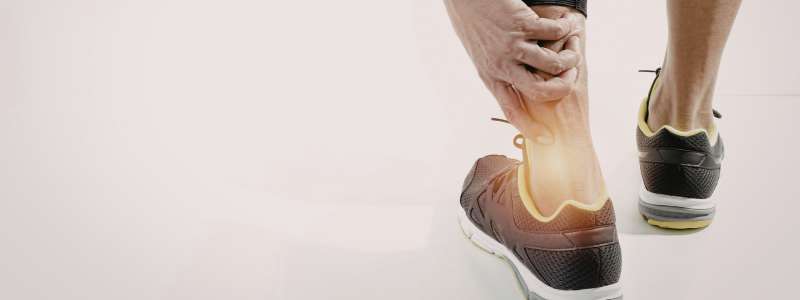
Foot & Ankle Disorders
Evaluation of foot and ankle pain that increases with prolonged standing, including plantar pain, hallux valgus (bunion), and ankle-related conditions.