
Sports Injuries:
Causes, Symptoms, Diagnosis and Treatment Options
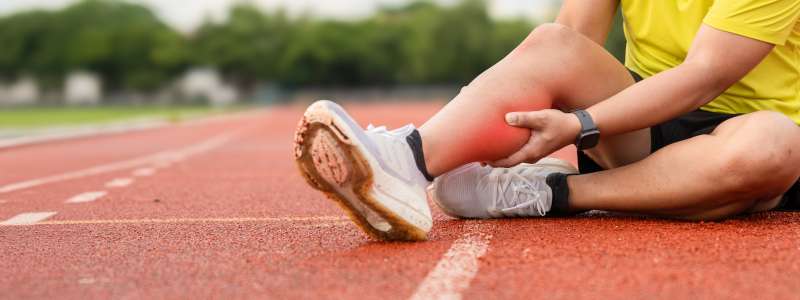
Sports such as running, football, basketball, tennis, and volleyball place repetitive or sudden loads on muscles, tendons, ligaments, and joints. As a result of these stresses, sports injuries can affect both professional athletes and individuals who exercise recreationally. The knee, shoulder, ankle, and elbow are among the most commonly affected areas in sports injuries.
Professor Gemalmaz evaluates and treats sports injuries across a wide spectrum, from acute traumatic injuries to repetitive overuse conditions and complex cases involving previous surgeries. The goal is to ensure both safe recovery and proper planning of the return-to-sport process.
What symptoms lead patients to seek medical care?
Sports injuries can present in different ways. Patients commonly seek medical attention with the following complaints:
- Sudden pain in the knee, shoulder, ankle, or elbow during training or competition
- Swelling, bruising, or increased warmth in the affected joint after injury
- A feeling of “giving way,” instability, or repeated twisting in the knee
- Increased pain and weakness in the shoulder during throwing, serving, or overhead movements
- Difficulty bearing weight after an ankle sprain
- Catching, locking, or limited movement in the joint after injury
- Recurring pain when returning to sports after a previous injury or surgery
These complaints can sometimes occur immediately, sometimes with the continuation of the loading.
Common causes of sports injury-related pain and disorders
Problems that occur during sports may vary depending on the affected region and type of sport. Common conditions include:
Knee ligament injuries (especially anterior cruciate ligament tears):
Often occur during sudden direction changes, jumping, or abrupt stops. Patients may feel a “pop” at the time of injury followed by instability and swelling.
Meniscus tears:
May occur due to sudden twisting, squatting, or load-bearing movements, causing catching, locking, and localized knee pain.
Shoulder injuries:
Repetitive overhead movements may affect the rotator cuff tendons, labrum, and other structures. Pain, weakness, and sometimes shoulder dislocations may occur.
Ankle sprains and ligament injuries:
Occur when the ankle rolls inward or outward during sudden movements, leading to ligament strain or tears. Recurrent sprains may result in chronic instability.
Muscle–tendon strains and tears:
May range from micro-tears to more significant injuries, (such as Achilles tendon rupture) especially during sprinting, jumping, or sudden loading.
Early and accurate evaluation of these injuries directly affects both the healing process and a safe return to sports.
How does the diagnostic process work?
The diagnostic process in sports injuries focuses not only on the painful area but also on the type of sport, movement patterns, and previous injuries:
Detailed history and physical examination
How, when, and during which movement the injury occurred
History of similar complaints or previous injuries
Evaluation of joint range of motion, ligament stability, and muscle strength
Sport-specific tests and examination maneuvers
Imaging methods
X-ray for bone structure and joint alignment
MRI (magnetic resonance imaging) to assess ligaments, meniscus, tendons, and cartilage
Ultrasound or additional imaging methods in selected cases
Additional evaluations
Collaboration with physiotherapists and sports medicine specialists for return-to-sport planning when necessary
Biomechanical and load analysis in chronic or recurrent cases
The goal is not only to diagnose the current injury but also to identify factors that may lead to recurrent injuries.
Non-surgical treatment options for sports injury-related conditions
In many sports injuries, non-surgical methods are evaluated first. These approaches include:
- Rest, ice application, compression, and elevation in the early phase (when deemed appropriate)
- Temporary activity restriction and avoiding sports participation
- Use of splints, supportive bandages, or braces when necessary
- Pain relievers and anti-inflammatory medications as recommended by the physician
- Muscle strengthening, flexibility, and balance exercises under physiotherapy supervision
- Sport-specific rehabilitation and return-to-play programs
The goal of this process is to ensure proper tissue healing and reduce the risk of re-injury by avoiding premature return to sports.
When is surgery necessary for sports injury-related conditions?
Not every sports injury requires surgery. The decision depends on the type and severity of the injury, the patient’s age, level of activity, and expectations. In general:
- Complete ACL tears with significant instability in the knee
- Recurrent locking, catching, and suspected meniscus tears
- Recurrent shoulder dislocations and labral tears
- Severe rotator cuff tendon tears
- Persistent pain and loss of function despite non-surgical treatment
- Most Achilles tendon tears
In such cases, surgical treatment options are evaluated and the patient is discussed in detail.
Surgical treatment options for sports injuries
Surgical procedures in sports injuries are often planned using minimally invasive (arthroscopic) techniques. Common procedures include:
Knee arthroscopy
Minimally invasive treatment for meniscus tears, certain ligament injuries, loose bodies, and cartilage problems
Anterior cruciate ligament and other ligament reconstructions
Reconstruction of torn ligaments in patients with instability and a feeling of giving way in the knee
Shoulder Arthroscopy
Treatment of labral tears, recurrent shoulder dislocations, and certain rotator cuff injuries using minimally invasive techniques.
Elbow arthroscopy
Treatment of intra-articular problems, loose bodies, and motion limitations in the elbow.
Ankle arthroscopy, ligament and tendon repairs
Minimally invasive treatment of cartilage problems and ligament and tendon repairs in patients with chronic ankle instability or tendon ruptures.
Before every surgical procedure, the purpose of the operation, recovery timeline, return-to-sport schedule, and possible risks are explained in detail, considering the patient’s sport and performance goals.
Return to sports process
An important part of sports injury treatment is planning the return to sport. This process includes:
- Biological healing time of tissues
- Achieving adequate muscle strength, flexibility, balance, and coordination
- Correcting technical or biomechanical factors that contributed to the injury
When necessary, a gradual return-to-sport program is developed in collaboration with physiotherapists and sports medicine specialists. The goal is not only to return to sports but to ensure a safe and sustainable performance.
Professor Gemalmaz's Approach to Sports Injuries
Professor Gemalmaz evaluates each patient with sports injuries by considering the type of sport, training intensity, goals (professional or recreational), and daily life requirements.
During the treatment process:
Priority is given to tissue-preserving approaches and safe return to sports
When surgery is required, personalized planning is made according to the athlete’s expectations and sport-specific demands
The return-to-sport process focuses not only on being pain-free but also on achieving full functional readiness
This page is prepared for general information purposes. The information here is not a substitute for any person-specific diagnosis or treatment recommendations.