
Back Pain & Spine Conditions:
Causes, Symptoms, Diagnosis and Treatment Options
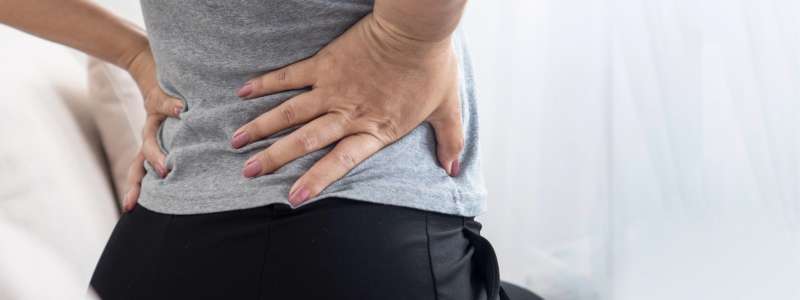
The spine is one of the most important structures in the human body, providing support, mobility, and protection of the spinal cord. It plays a critical role in daily activities such as standing, walking, bending, and lifting. Back pain and spine disorders can significantly affect quality of life, work performance, and social life.
Professor Gemalmaz evaluates and treats spine disorders across a wide spectrum, from mild mechanical back pain to serious conditions such as scoliosis and spinal stenosis. In appropriate patients, both non-surgical treatment options and advanced surgical techniques are carefully considered.
What symptoms lead patients to seek medical care?
Spine disorders may present with a wide range of symptoms, from deformities to neck and lower back pain radiating to the arms or legs. Patients commonly present with the following complaints:
- Spine pain that increases with movement, standing, or prolonged sitting
- Curvature, hunching, or asymmetry in the back
- Pain radiating from the neck to the arms and hands
- Numbness, tingling, or weakness in the arms and legs
- Pain radiating from the lower back to the hip, leg, or foot (sciatica)
- Difficulty bending, straightening, or performing daily activities
- Sudden sharp pain during lifting or twisting movements
- In advanced cases, loss of balance or difficulty walking
These symptoms are evaluated together with the patient’s history and associated risk factors.
Common causes of spine pain and disorders
Back, neck, and spine-related pain may arise from various causes. Common conditions include:
Lumbar disc herniation (herniated disc):
Occurs when disc material protrudes and compresses nerves, leading to pain, numbness, and weakness.
Degenerative disc disease:
Age-related wear of spinal discs may cause chronic back pain and reduced mobility.
Spinal stenosis:
Narrowing of the spinal canal due to degeneration can compress nerves or the spinal cord, leading to pain, numbness, and difficulty walking.
Spondylolisthesis:
Instability of the spine due to trauma or aging, where one vertebra slips forward over another, causing localized pain and nerve-related leg pain.
Scoliosis and postural disorders:
Often developing during childhood growth, presenting with curvature, asymmetry, and postural abnormalities.
Each condition requires a different diagnostic and treatment approach; therefore, detailed evaluation is essential.
How does the diagnostic process work?
In the evaluation of spine pain and spine disorders, clinical examination is supported by appropriate imaging methods:
Detailed history and physical examination
- Location, duration, and severity of pain
- Movements or activities that increase or relieve pain
- History of trauma, repetitive heavy physical activity, or previous spine problems
- Neurological examination including reflexes, muscle strength, and sensation
- Assessment of posture, walking pattern, and spinal alignment
Imaging methods
- Lumbar spine X-rays to evaluate alignment and structural changes
- MRI (magnetic resonance imaging) for detailed evaluation of discs, nerves, and soft tissues
- CT scans in selected cases for detailed bone analysis and patient specific 3D CAD/CAM assisted surgery
Additional examinations
EMG to evaluate nerve function when necessary
- Laboratory tests in cases of suspected infection or inflammatory disease
The goal of diagnosis is not only to identify the source of the problem but also to determine disease severity and guide long-term treatment planning.
Non-surgical treatment options for spine conditions
Not every spine condition requires surgery. In many patients, non-surgical methods can be effective:
- Activity modification and short-term rest
- Weight management when necessary
- Pain relievers and muscle relaxant medications when appropriate
- Exercises to strengthen core and back muscles
- Physical therapy and rehabilitation programs
- Use of custom braces in certain scoliosis cases (especially in children)
Non-surgical treatments are particularly effective in early-stage conditions. Regular follow-up is important.
When is surgery necessary for spine conditions?
Surgery is not necessary or appropriate for every patient. The decision is based on symptoms, examination findings, imaging results, age, and quality of life:
- Persistent pain significantly affecting daily life and sleep despite non-surgical treatment
- Scoliosis curves at a level considered high-risk for the patient’s age
- Progressive neurological symptoms such as muscle weakness or numbness
- Spinal stenosis limiting walking capacity
- Loss of bladder or bowel control (medical emergency)
In such cases, surgical options are evaluated and discussed in detail with the patient.
Surgical treatment options for spine disease
Surgical procedures are planned based on the patient’s age, spinal structure, bone quality, severity of the condition, and expectations. Common surgical methods include:
Microdiscectomy
A minimally invasive procedure to remove herniated disc material compressing nerves.
Spinal decompression surgery
Procedures aimed at relieving pressure on nerves in conditions such as spinal stenosis.
Spinal deformity surgery
Complex procedures used to correct spinal deformities caused by scoliosis, trauma, or instability.
Spinal stabilization
Fixation of specific segments of the spine using specialized implants to control symptoms caused by instability, scoliosis, or osteoarthritis.
Before every surgical procedure, the purpose, process, recovery period, and possible risks are explained in detail.
Professor Gemalmaz's Approach to Spine Problems
Professor Gemalmaz evaluates each patient not only based on imaging findings but also considering age, physical condition, lifestyle, expectations, and overall health status.
During the treatment process:
- In early-stage and suitable cases, non-surgical methods are prioritized
- Personalized treatment plans are developed
- Advanced surgical techniques are considered when necessary
- Clear communication is maintained regarding treatment options and processes
The goal is to determine the most appropriate solution based on scientific evidence and individual needs.
This page is intended for general informational purposes. The information provided does not replace a personalized diagnosis or treatment recommendation.